A retro-style animated music video sequence composed of 6 visually distinct multicuts, with a strong sense of randomness and variation between shots. The overall mood is nostalgic, dreamy, stylish, rhythmic, and emotionally expressive, inspired by retro anime openings and endings, 1980s-1990s music videos, city pop aesthetics, analog textures, and vintage visual storytelling. The sequence should feel like a six-cut montage for a music video, with each cut showing a different composition, angle, scale, or visual idea. Do not make the six cuts predictable, repetitive, or rigidly structured. Let the cuts feel naturally varied and creatively selected, as if edited from a larger music video. The order and subject emphasis of the cuts should feel spontaneous and musically driven. Possible imagery may include a mix of wide city views, medium shots, close-ups, emotional facial details, symbolic insert shots, retro music-related objects, moving lights, urban night scenes, rooftop moments, silhouettes, walking shots, performance-like gestures, reflections, trains, signage, cassette players, vinyl records, headphones, arcade lights, sky shots, and poetic environmental details. Use a flexible and varied shot selection rather than a fixed cut-by-cut structure. Even though the cuts are varied and somewhat random, the sequence must still feel like one coherent music video passage. Maintain one consistent retro animated visual world, one consistent main character design, and one unified emotional tone across all 6 cuts. Animation style: 2D anime-inspired, cinematic framing, expressive lighting, slight cel-animation texture, nostalgic color grading, and lyrical visual storytelling. Visual mood and texture: warm film grain, subtle VHS texture, halation, soft bloom, analog softness, dreamy glow, and light retro imperfections. The palette should use sunset orange, dusty pink, teal, faded blue, muted purple, warm cream, and occasional neon accents. The edit rhythm should feel musical, with each cut changing on emotional beats or rhythmic accents. Every shot should be visually distinct from the others, with clear variation in framing, camera angle, distance, and subject focus. Avoid repetitive compositions. Important: create 6 unique cuts with randomness and variety, but preserve character consistency, retro mood, emotional continuity, and overall visual cohesion. Style keywords: retro anime music video, nostalgic multicut montage, city pop aesthetic, 2D animation, soft film grain, VHS texture, dreamy glow, emotional rhythm, cinematic anime framing, vintage urban night, lyrical visual storytelling.
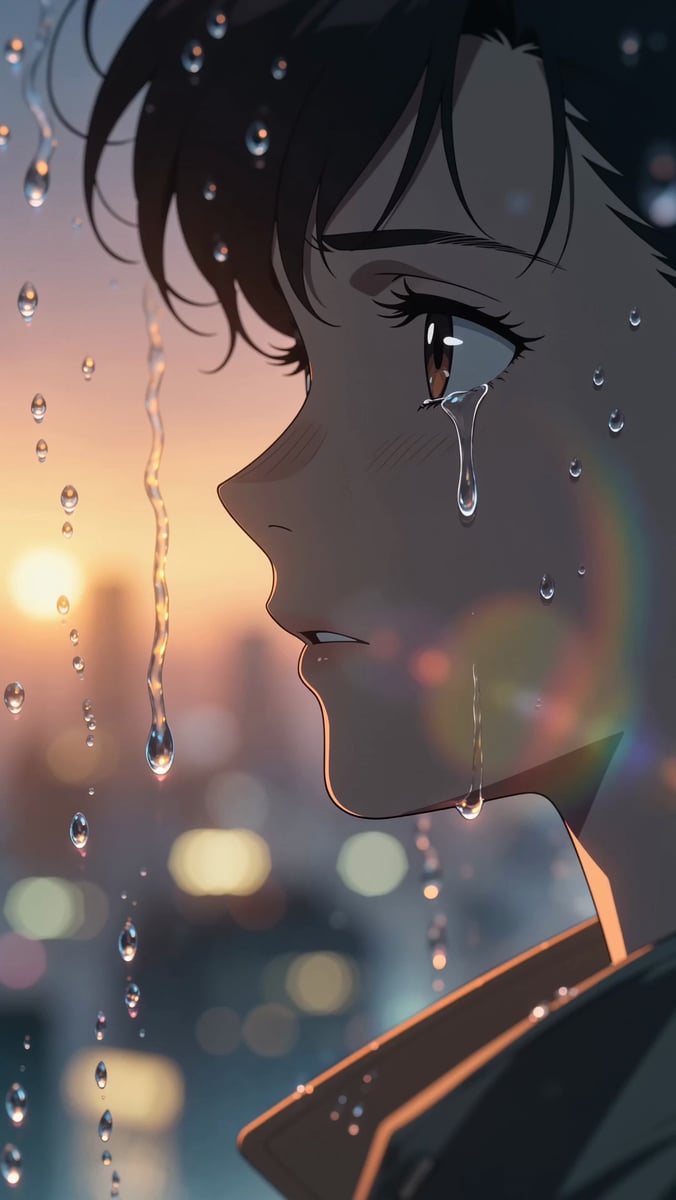
A retro-style animated music video sequence composed of 6 visually distinct multicuts, with a strong sense of randomness and variation between shots. The overall mood is nostalgic, dreamy, stylish, rhythmic, and emotionally expressive, inspired by retro anime openings and endings, 1980s-1990s music videos, city pop aesthetics, analog textures, and vintage visual storytelling.

The sequence should feel like a six-cut montage for a music video, with each cut showing a different composition, angle, scale, or visual idea. Do not make the six cuts predictable, repetitive, or rigidly structured. Let the cuts feel naturally varied and creatively selected, as if edited from a larger music video. The order and subject emphasis of the cuts should feel spontaneous and musically driven.

Possible imagery may include a mix of wide city views, medium shots, close-ups, emotional facial details, symbolic insert shots, retro music-related objects, moving lights, urban night scenes, rooftop moments, silhouettes, walking shots, performance-like gestures, reflections, trains, signage, cassette players, vinyl records, headphones, arcade lights, sky shots, and poetic environmental details. Use a flexible and varied shot selection rather than a fixed cut-by-cut structure.

Even though the cuts are varied and somewhat random, the sequence must still feel like one coherent music video passage. Maintain one consistent retro animated visual world, one consistent main character design, and one unified emotional tone across all 6 cuts.

Animation style: 2D anime-inspired, cinematic framing, expressive lighting, slight cel-animation texture, nostalgic color grading, and lyrical visual storytelling.

Visual mood and texture: warm film grain, subtle VHS texture, halation, soft bloom, analog softness, dreamy glow, and light retro imperfections. The palette should use sunset orange, dusty pink, teal, faded blue, muted purple, warm cream, and occasional neon accents.

The edit rhythm should feel musical, with each cut changing on emotional beats or rhythmic accents. Every shot should be visually distinct from the others, with clear variation in framing, camera angle, distance, and subject focus. Avoid repetitive compositions.

Important: create 6 unique cuts with randomness and variety, but preserve character consistency, retro mood, emotional continuity, and overall visual cohesion.

Style keywords: retro anime music video, nostalgic multicut montage, city pop aesthetic, 2D animation, soft film grain, VHS texture, dreamy glow, emotional rhythm, cinematic anime framing, vintage urban night, lyrical visual storytelling.
A retro-style animated music video sequence composed of 6 visually distinct multicuts, with a strong sense of randomness and variation between shots. The overall mood is nostalgic, dreamy, stylish, rhythmic, and emotionally expressive, inspired by retro anime openings and endings, 1980s-1990s music videos, city pop aesthetics, analog textures, and vintage visual storytelling. The sequence should feel like a six-cut montage for a music video, with each cut showing a different composition, angle, scale, or visual idea. Do not make the six cuts predictable, repetitive, or rigidly structured. Let the cuts feel naturally varied and creatively selected, as if edited from a larger music video. The order and subject emphasis of the cuts should feel spontaneous and musically driven. Possible imagery may include a mix of wide city views, medium shots, close-ups, emotional facial details, symbolic insert shots, retro music-related objects, moving lights, urban night scenes, rooftop moments, silhouettes, walking shots, performance-like gestures, reflections, trains, signage, cassette players, vinyl records, headphones, arcade lights, sky shots, and poetic environmental details. Use a flexible and varied shot selection rather than a fixed cut-by-cut structure. Even though the cuts are varied and somewhat random, the sequence must still feel like one coherent music video passage. Maintain one consistent retro animated visual world, one consistent main character design, and one unified emotional tone across all 6 cuts. Animation style: 2D anime-inspired, cinematic framing, expressive lighting, slight cel-animation texture, nostalgic color grading, and lyrical visual storytelling. Visual mood and texture: warm film grain, subtle VHS texture, halation, soft bloom, analog softness, dreamy glow, and light retro imperfections. The palette should use sunset orange, dusty pink, teal, faded blue, muted purple, warm cream, and occasional neon accents. The edit rhythm should feel musical, with each cut changing on emotional beats or rhythmic accents. Every shot should be visually distinct from the others, with clear variation in framing, camera angle, distance, and subject focus. Avoid repetitive compositions. Important: create 6 unique cuts with randomness and variety, but preserve character consistency, retro mood, emotional continuity, and overall visual cohesion. Style keywords: retro anime music video, nostalgic multicut montage, city pop aesthetic, 2D animation, soft film grain, VHS texture, dreamy glow, emotional rhythm, cinematic anime framing, vintage urban night, lyrical visual storytelling.
Cinq%20Studio
Vigloo Studio에서 생성